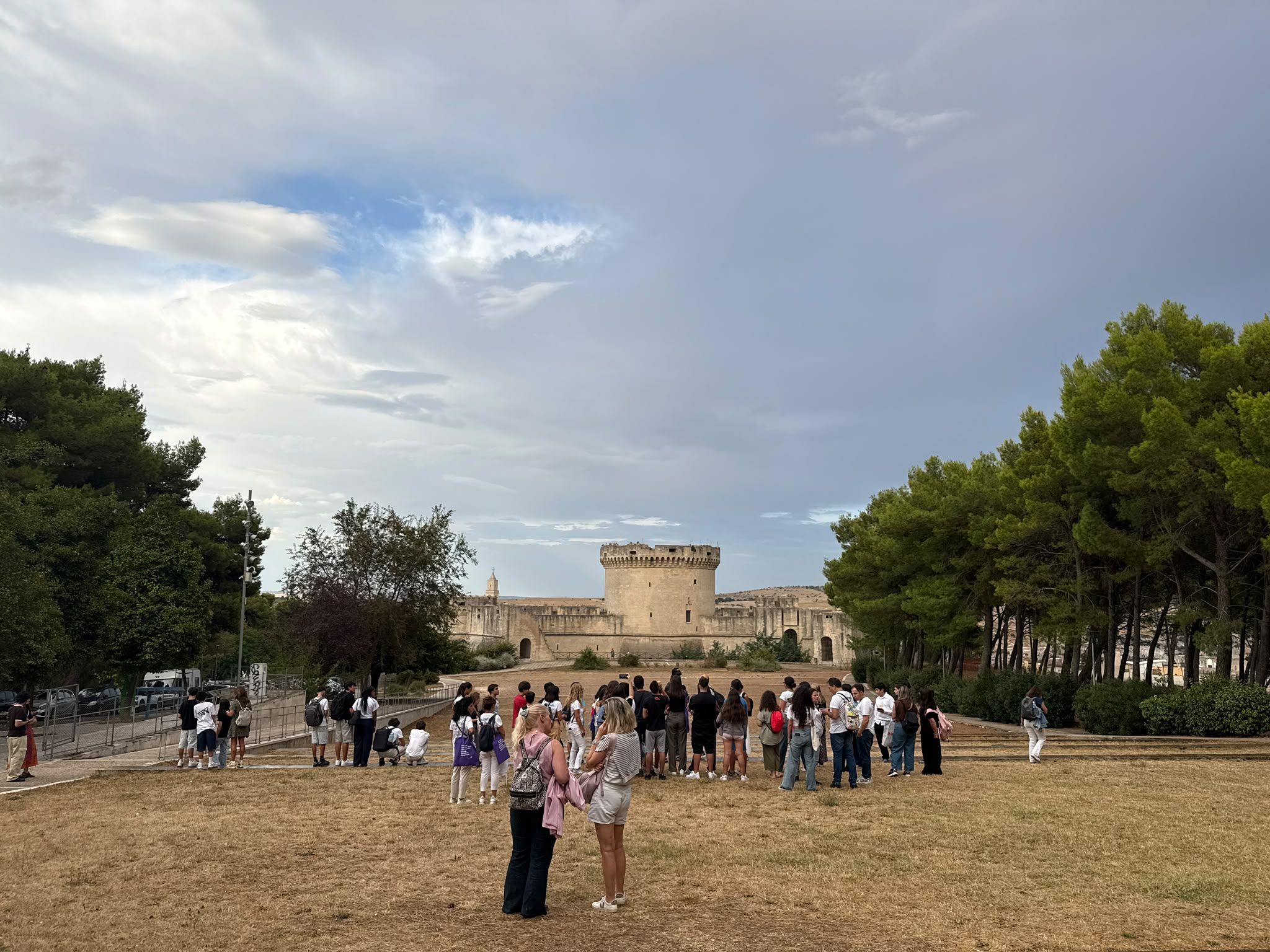
On 11 and 12 September 2026, the ancient city of Matera, European Capital of Culture in 2019 and UNESCO World Heritage Site, became the stage for one of the most inspiring educational gatherings of the year. Students, teachers, researchers, policymakers, and Cultural and Creative Industries professionals from Italy, Greece, Portugal, and Cyprus converged at the University of Basilicata for the STEAM Innovation Festival & Final Conference, the culminating event of the two-year STEAM Innovation Ecosystem project, co-funded by the Creative Europe Programme of the European Union.
For two extraordinary days, Matera embodied everything the project had set out to prove: that science and the arts are not competing ways of understanding the world but deeply complementary ones, and that when young people are trusted with real questions, real tools, and a real audience, they are capable of far more than anyone expects.

Two years, four countries, one shared vision
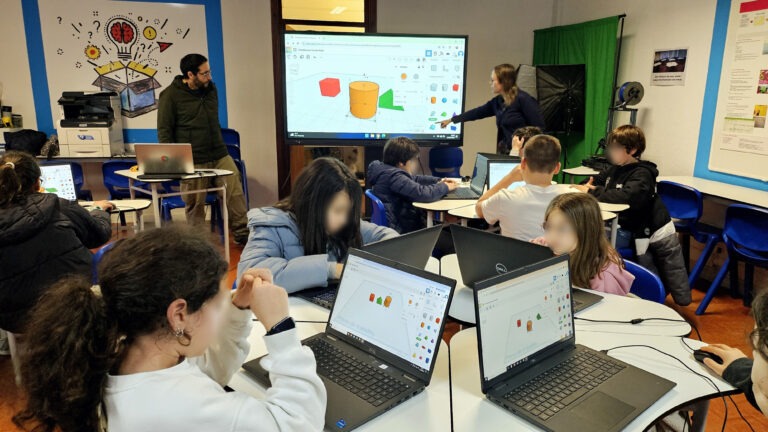
The STEAM Innovation Ecosystem project brought together four partner organisations, Science View (Greece), Inquiry Fuse (Cyprus), NUCLIO (Portugal), and Materahub (Italy), around a shared conviction: that integrating the arts into STEM education does not dilute scientific rigour but deepens it. Over the course of two years, the project engaged 43 schools, approximately 198 teachers, and more than 1,525 students across Europe, implementing three discipline-specific learning modules, Learning STEAM Through Theatre, Learning STEAM Through Music, and Learning STEAM Through Making and Tinkering, in real school settings across four national contexts.
The festival in Matera was the moment when all of that work came into the open. Twelve student projects, selected from national showcase events held across all four partner countries earlier in 2026, were presented on stage before an international audience of approximately 200 participants, with additional observers joining online from across Europe and beyond.
Students at the centre
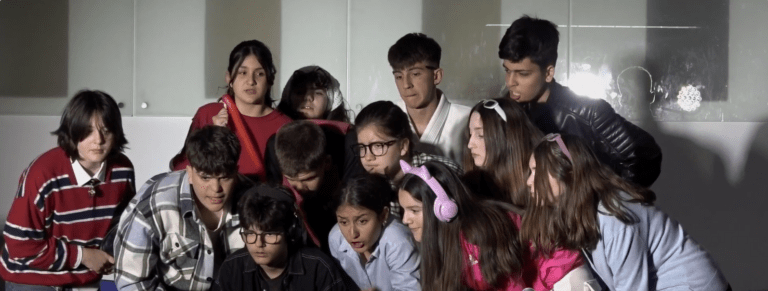
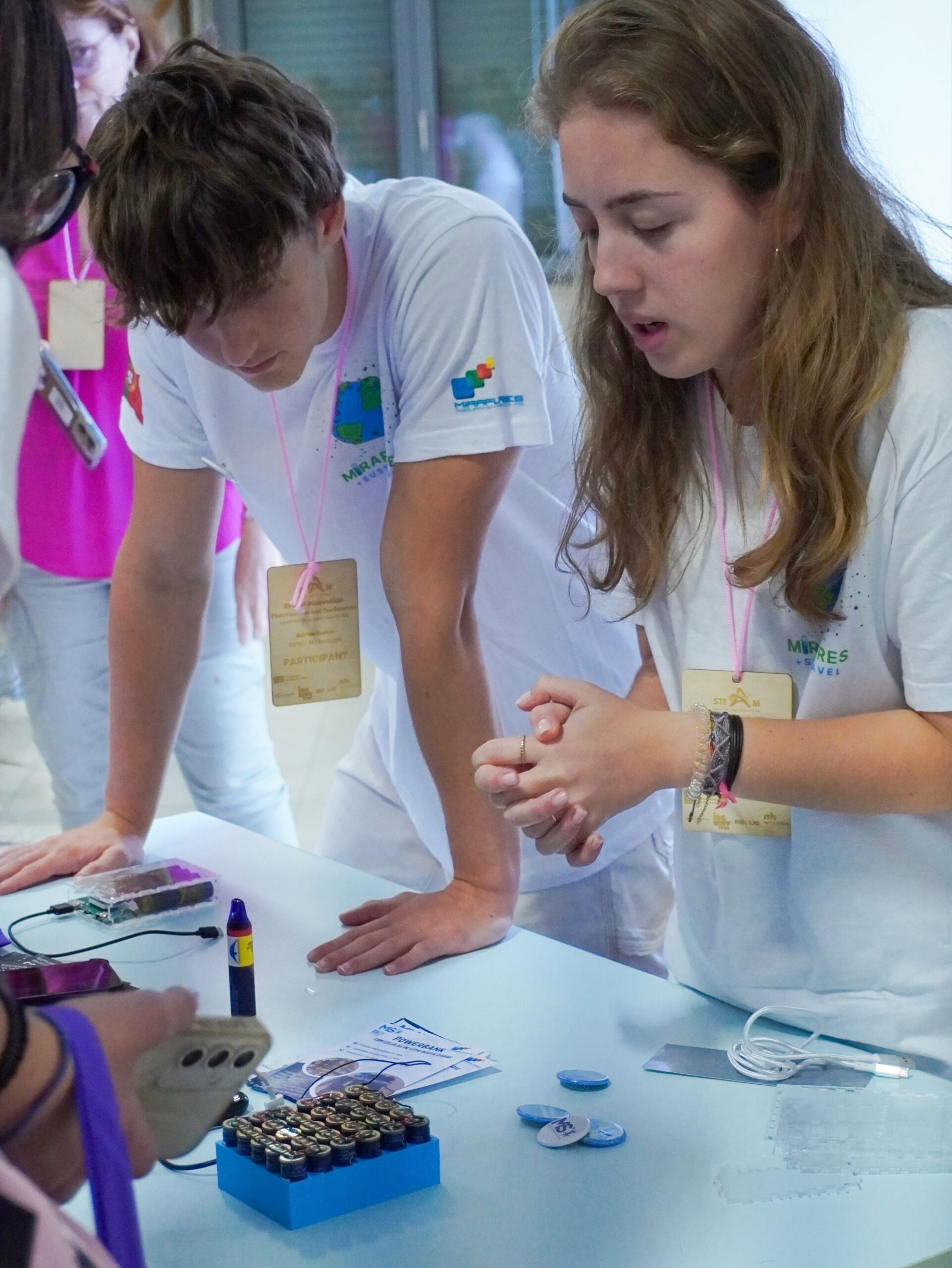
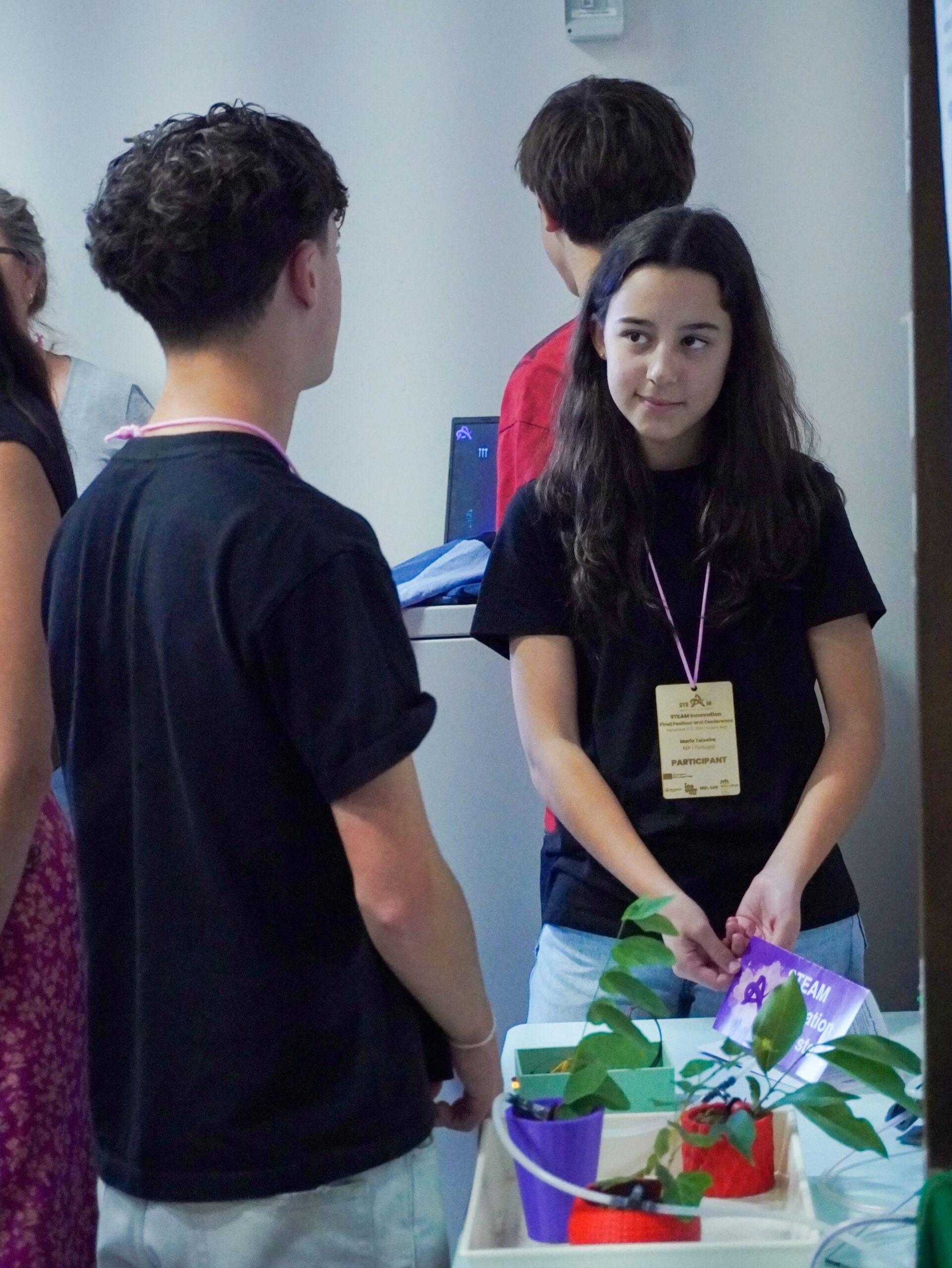
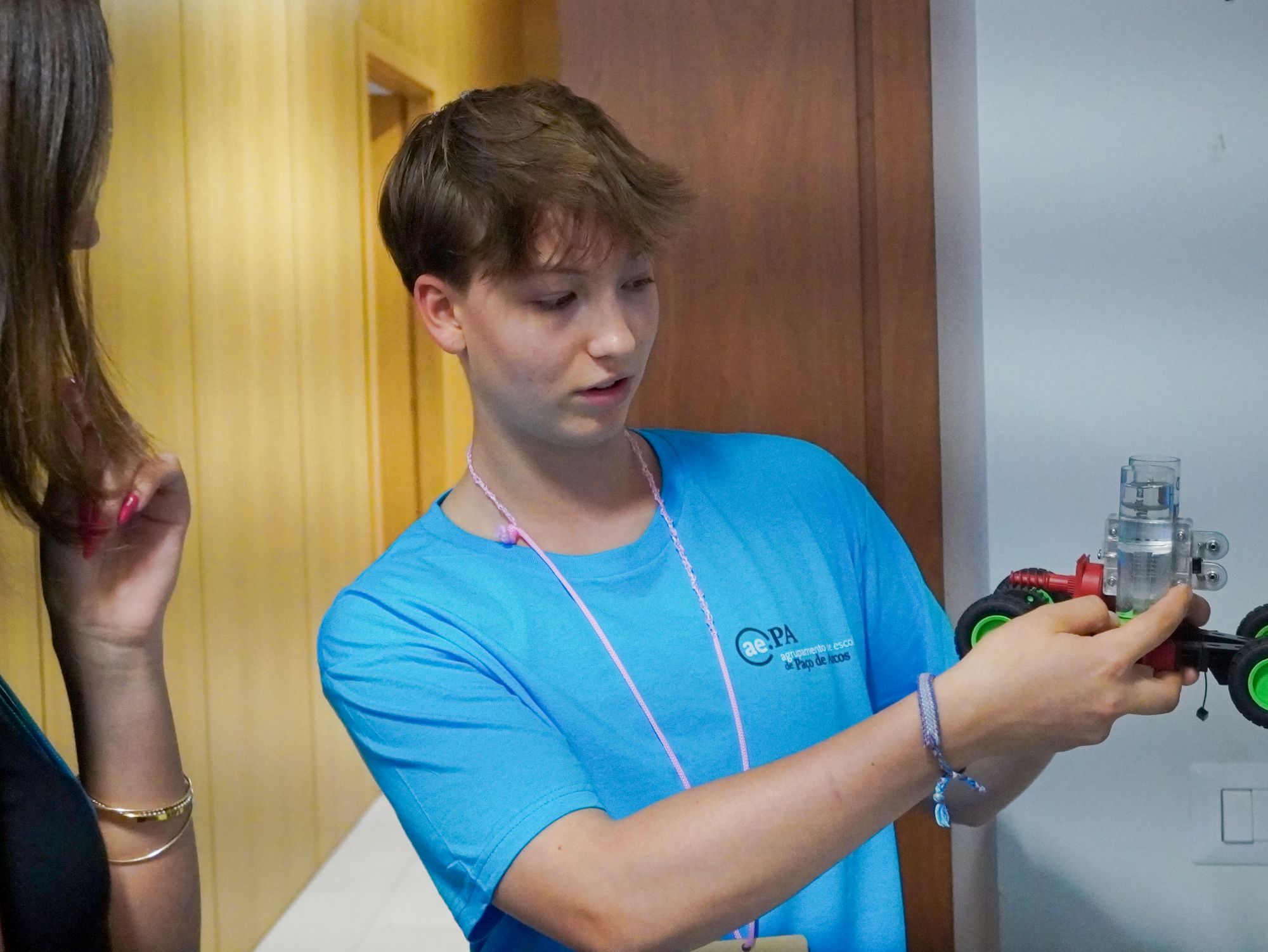
The student performances were the heart of the festival, and they did not disappoint. From Greece, theatrical productions transformed mathematical theorems and biological systems into live dramatic narratives. “Romeo² + Juliet² = Love²” from the Music School of Larissa used the Pythagorean theorem as the engine of a romantic story performed with live instrumentation, while “The Organs You Carry” from the 1st Junior High School of Argyroupoli gave the organs of the human body distinct personalities, voices, and dramatic roles. From Cyprus, secondary students from the Secondary School of Panagia Theoskepasti in Paphos presented “From Goals to Music”, a data sonification project in which football statistics for Lionel Messi and Cristiano Ronaldo were transformed into original MIDI compositions through a Python programme the students had built themselves, while primary students from Pascal International School in Nicosia performed “Volcanic Eruption”, embodying the geological sequence of an eruption through movement, rhythm, and collective choreography. From Portugal, student teams showcased functional maker prototypes addressing real community challenges, including a solar-powered automatic irrigation system and an interactive street installation combining sensors and physical activity. From Italy, students from the Liceo Artistico Carlo Levi in Matera, performing on their home stage, presented immersive audiovisual works connecting sound physics, artificial intelligence, and the UN Sustainable Development Goals, addressing themes including climate change, social inequality, and gender equality.
A dedicated Student Roundtable gave young participants from all four countries a structured space to reflect on their learning journeys, compare approaches across national contexts, and share their perspectives on what STEAM education had meant to them as researchers, creators, and communicators of science.
Expert voices on the future of STEAM in Europe
The festival also brought together a distinguished group of researchers, educators, policymakers, and Cultural and Creative Industries professionals to reflect on the project’s outcomes and their implications for European education policy. Keynote contributions were made by Konstantina Liakopoulou (Creative Europe Desk Greece, Hellenic Ministry of Culture), Dr Sofoklis Sotiriou (Head of R&D, Ellinogermaniki Agogi), Maria José Amândio and Liliana Cruz (Municipality of Oeiras, Portugal), and Dr Jessica Niewint-Gori (Head of Teaching, Pedagogy and Skills Research Unit, INDIRE, Italy). The conference also featured presentations by Nuno Charneca (InovLabs, Portugal), Professor Fabrizio Festa (Conservatory of Matera and Polytechnic University of Bari), and Avgoustinos Tsaousis (Physics and Mathematics Teacher, Pascal International School, Larnaca, and Executive Board Member of the European Network of STEAM Educators).
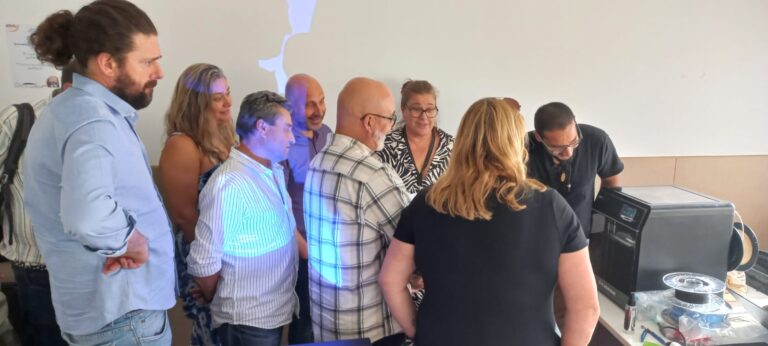
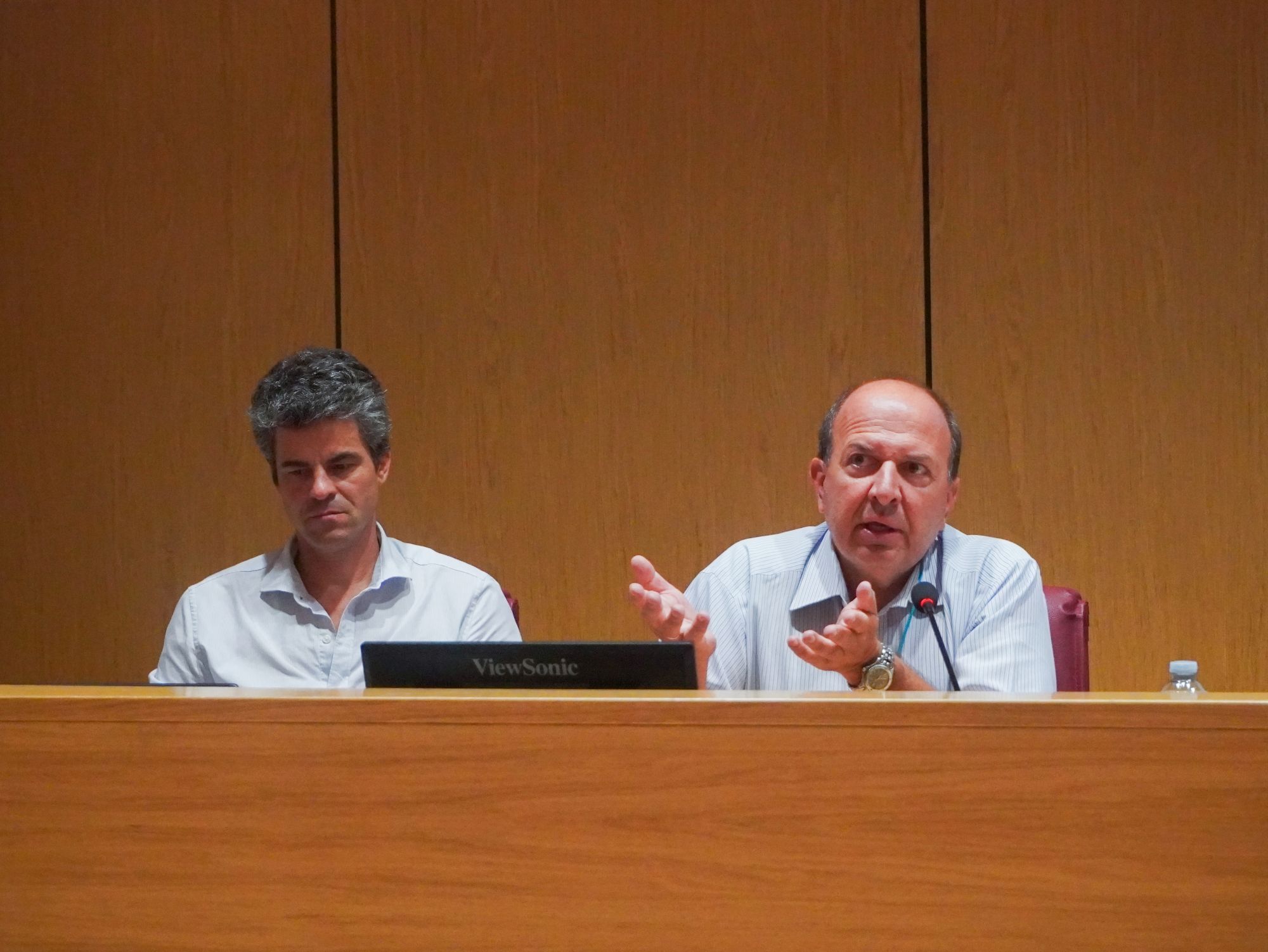
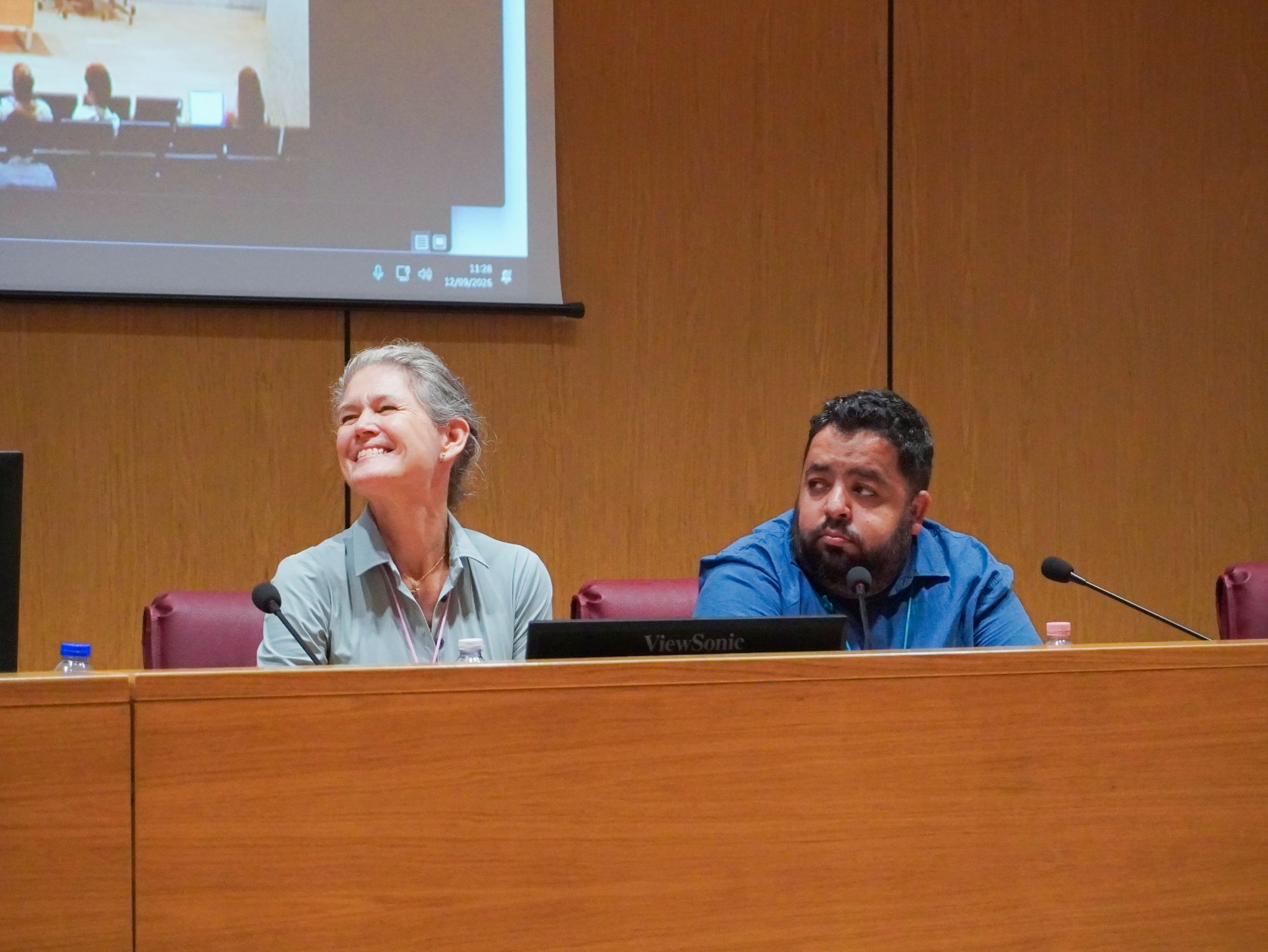
The Expert Roundtable Discussion on the second day brought together the keynote speakers and conference presenters to explore the systemic conditions needed to scale and sustain STEAM education across European school systems. The discussion was observed by Emanuela Gorgi, Project Adviser at the European Education and Culture Executive Agency (EACEA), representing the European Commission. The roundtable produced a clear consensus: that genuine STEAM integration requires curriculum reform, sustained teacher professional development, long-term funding, and municipal and community ecosystem support. The insights from this discussion will feed directly into the project’s Policy Recommendations paper (D4.3), to be published later in 2026.
Beyond the conference hall
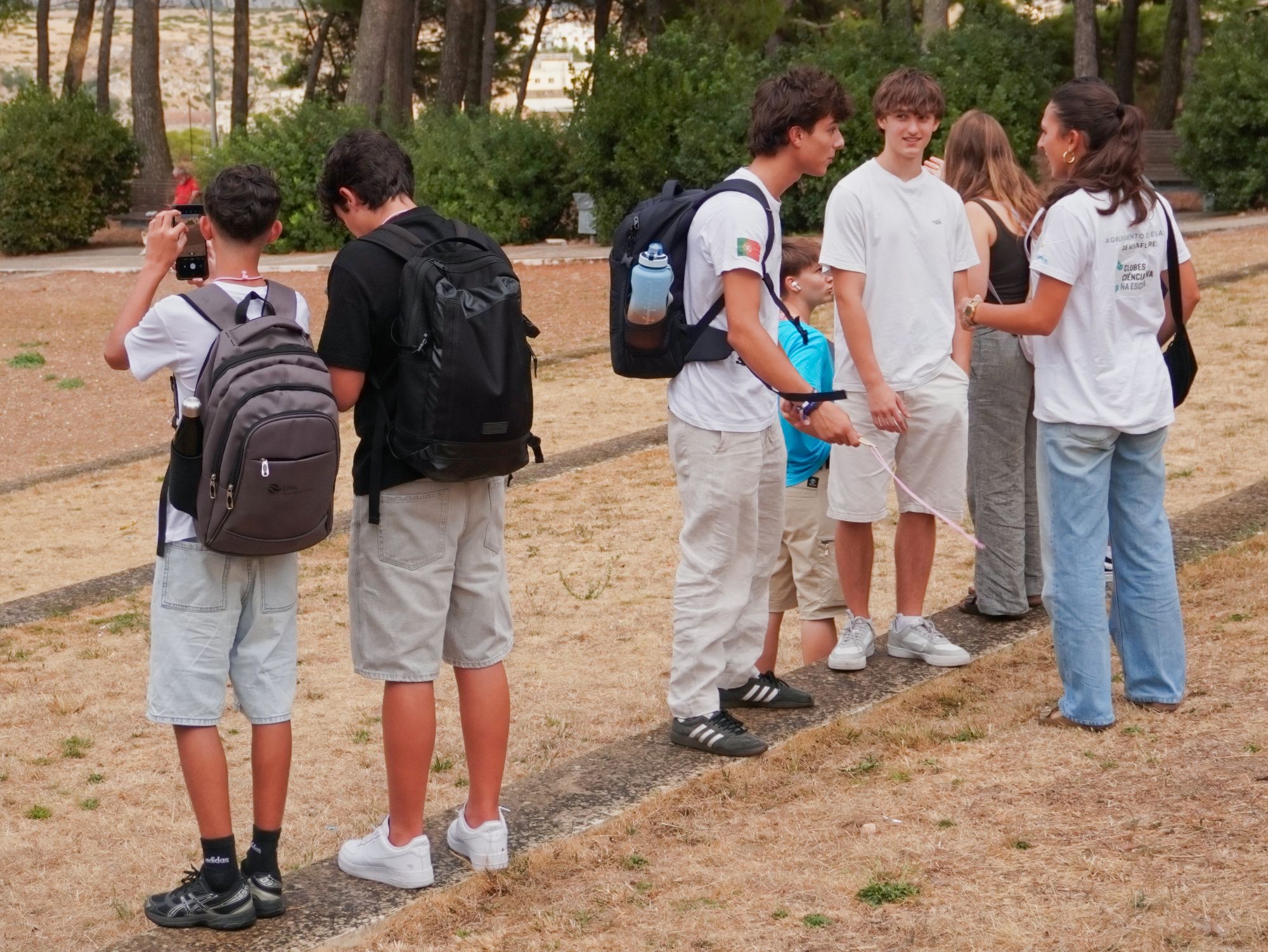
The festival experience extended beyond the Aula Magna of the University of Basilicata on the first evening, when students and teachers took to the streets of Matera for an Urban Game designed and facilitated by Giallo Sassi. Using a dedicated app, participants explored the city’s historic Sassi district through an interactive route that wove together urban exploration, cultural discovery, and reflection on climate vulnerability and environmental resilience, turning Matera’s extraordinary landscape into a living classroom for the evening.
A legacy beyond the project
As the certificates were distributed at the closing ceremony and students from four countries said their goodbyes on the steps of the University of Basilicata, what remained was something harder to quantify than reach figures or evaluation scores: the evidence, visible in every performance and every conversation over two days, that when young people are given genuine creative and scientific agency, and the sustained support to use it, they do not just meet expectations. They exceed them.
The STEAM Innovation Ecosystem project officially concludes in autumn 2026. Its outputs, the modular curriculum, the trainers’ handbook, the best practices report, the policy recommendations, and the national implementation reports, will remain freely available through the project website, providing a replicable and evidence-based framework for educators, schools, and policymakers across Europe who wish to bring the same approach to their own contexts.